
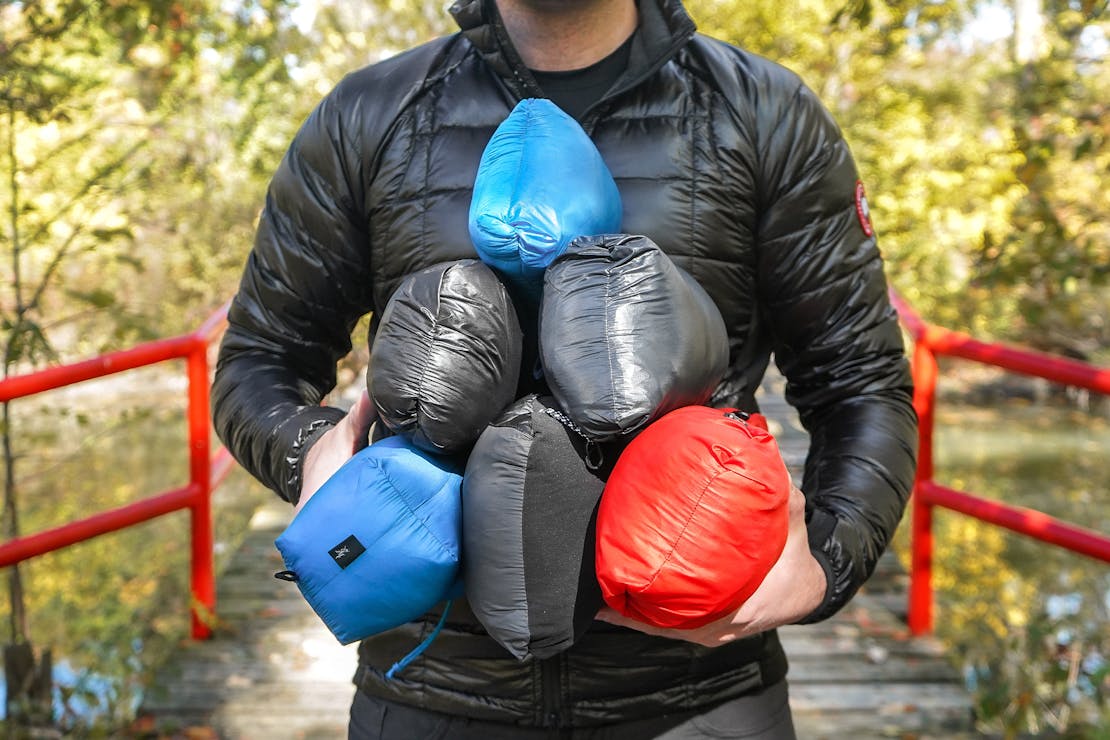
Some of our best travel memories are bound to happen in the rain, cold, and snow. The key to ensuring that the weather doesn't put a damper on your trip is to be prepared with a proper travel jacket, which can sometimes feel daunting to find. There are hundreds of options, each with unique qualities and features. That's where we come in.
A travel jacket is one of many ways to stay dry, warm, and happy. Just because a jacket can do those things doesn't mean it's great for travel—it has to fit inside your travel backpack, daypack, or even sling, when not in use. It can't keep you comfortable if you can't bring it with you!
Are you looking for something that will keep you dry but not too hot in warmer climates? Or is warmth your biggest concern, and anything else an added bonus? The best travel jacket depends on many factors, and we'll cover them all in this post. And if you have more questions by the end of it, don't worry. We've included an daypack, or even FAQ section at the end to answer more questions you may have. Now, without further ado, let's dive in!
- Patagonia Nano Puff
- Amazon Essentials Lightweight Water-Resistant Packable Puffer Jacket
- Patagonia Tres 3-in-1 Parka
- REI 650 Down Jacket 2.0
- Relwen Quilted Insulated Tanker Jacket
- Dickies Insulated Eisenhower Jacket
- Arc'teryx Atom Hoody
- Mountain Hardwear Ghost Whisperer Jacket
- Patagonia Torrentshell 3L Jacket
- Outdoor Research Helium Rain Jacket
Best for: Full-time Travelers

Patagonia Nano Puff Men's & Women's
Best value travel jacket
Why We Like It: Extremely packable for a puffer jacket.
What To Know: Not as warm or lightweight as other offerings from Patagonia.
When picking a lightweight travel jacket, finding one that is warm without taking up too much space is imperative. The Patagonia Nano Puff fits the bill—keeping you comfortable when you need it most and packing down to fit into the palm of your hand. The exterior Polyester has a DWR coating to keep you dry, too. The interior utilizes PrimaLoft® Synthetic Insulation to ensure that you don’t get cold—and, most importantly, not need to seek out another travel jacket. Complete with YKK zippers, this jacket is built to last.
If you want something a little warmer, go with the Patagonia Macro Puff, and if you want something a little more lightweight, go with the Patagonia Micro Puff. Whereas all three of these jackets get the job done (we wrote an entire post post about it), the Nano Puff is the best of the three, we think.
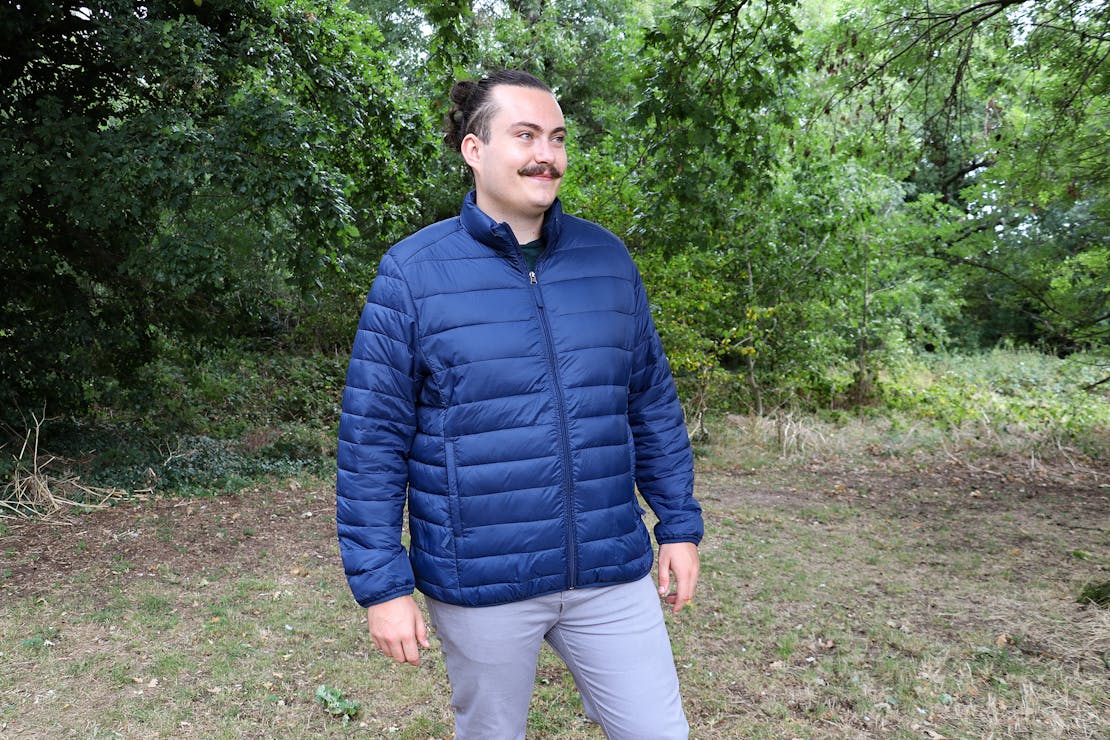
Amazon Essentials Packable Puffer Jacket In Essex, England
Best budget travel jacket
Why We Like It: A budget-friendly option for those just getting into travel.
What To Know: Isn’t great in cooler temperatures and lacks some of the features we’re used to.
After handling some of the nicer jackets on this list, the Amazon Essentials Lightweight Water-Resistant Packable Puffer Jacket feels a bit cheap. The materials aren't as nice, the stitching isn't quite as refined, and the overall design feels pretty basic. But honestly, that's fine. Not every jacket needs to be a fashion statement or something you plan to keep for 20 years.
This is a good option if you're just getting into the puffer game or don't want to spend hundreds of bucks on something you might not use very often. It's comfortable, keeps you pretty warm for the price, and packs down small with the included stuff sack. To the untrained eye, it looks like any other puffer, too. We're looking a little closer than most people do, but if all you need is a jacket that works without spending a ton of money, this one gets the job done.

Patagonia Tres 3-in-1 Parka
Best splurge travel jacket
Why We Like It: It’s three jackets in one, so you have an option for all weather conditions.
What To Know: The jacket is packable, though it’s larger than most items on this list.
Some jackets with a premium price tag are underwhelming. Others have a premium price tag, and when you put them on, you think, "Wow, this is an unbelievable jacket." That's how we feel about the Patagonia Tres 3-in-1 Parka. It's soft, cozy, incredibly well designed, and somehow doesn't feel like you're wearing more than one jacket at once. Even with all three layers on, you can still move around and stay active without feeling like you're in a straitjacket.
The jacket comes in two parts that can create three different styles. You can wear the waterproof yet breathable shell when it's rainy but not too cold, the insulated jacket when it's chilly and dry, or combine the two when the weather gets nasty. We typically don't think jackets like this are worth the crazy money, but this one might be. One of our favorite things is that all the zippers and layers don't make the jacket feel overly complicated. It just works. It packs away into the breast pocket, though it isn't very small once packed, so we'd rather fold it before putting it in a travel backpack or checked bag.

REI 650 Down Jacket 2.0
Why We Like It: The warmth to weight ratio is off the charts.
What To Know: It doesn’t compress as well as we thought it would.
If you’re someone who tends to watch their weight while packing to ensure you don’t get any fines at the airport, getting a travel jacket with an excellent warmth to weight ratio is a good bet. The lightweight REI 650 Down Jacket 2.0 ensures you don’t get flagged at check-in and aren’t stuck sweating with your jacket on at the gate. Plus, you’ll be warm enough in even the chilliest climates.
Men’s and women’s versions are available, so you can get the perfect fit no matter your body shape. The jacket is crafted from nylon and has YKK zippers, both of which hold up well over time. It isn’t the smallest jacket when compressed, though the warmth to weight ratio makes it well worth including on this list.

Relwen Quilted Insulated Tanker Jacket
Why We Like It: Has a relatively simple and casual design that still keeps you warm at low temps.
What To Know: We wish it had one or two internal pockets.
Did your parents ever make you watch Hallmark movies? Somehow, someway, a strapping man from Scotland always seemed to appear when you least expected him. He was probably wearing a jacket like this. The Relwen Quilted Thermal Tanker Jacket has that heritage look, like something your grandpa would have worn, but it's comfortable and clean enough to fit right into a modern wardrobe.
The jacket is dense without being super thick, and the construction feels really nice. We've had a few Relwen jackets at Pack Hacker over the years, and they've held up well. Our model has an orange interior, which we dig. You can dress this thing up or down, too, although it doesn’t work for the dressiest occasions, so it's not exactly a suit jacket replacement. It's great for fall and can work into winter if it doesn't get too cold.

Dickies Insulated Eisenhower Jacket
Why We Like It: A stylish option that can be dressed up or down and still keeps you warm and dry.
What To Know: Not a traditional packable jacket.
As the primary tester of the Dickies Insulated Eisenhower Jacket, I had a little imposter syndrome the first time I put it on. It's a high-quality jacket that looks really rad, and suddenly I felt like I should have somewhere important to be. It has a classic, almost 1950s look, but it still feels modern enough to wear with pretty much anything.
It's also proven to be really durable, and you can dress it up or down without much effort. It looks classy in a professional setting but doesn't feel out of place with jeans. It does need to be broken in, though. Most of the materials are synthetic, so don't try to speed things up by throwing it in the dryer. You just have to get out there and wear it! It's not particularly packable, but once it's broken in, it's comfortable enough to wear on a short flight.
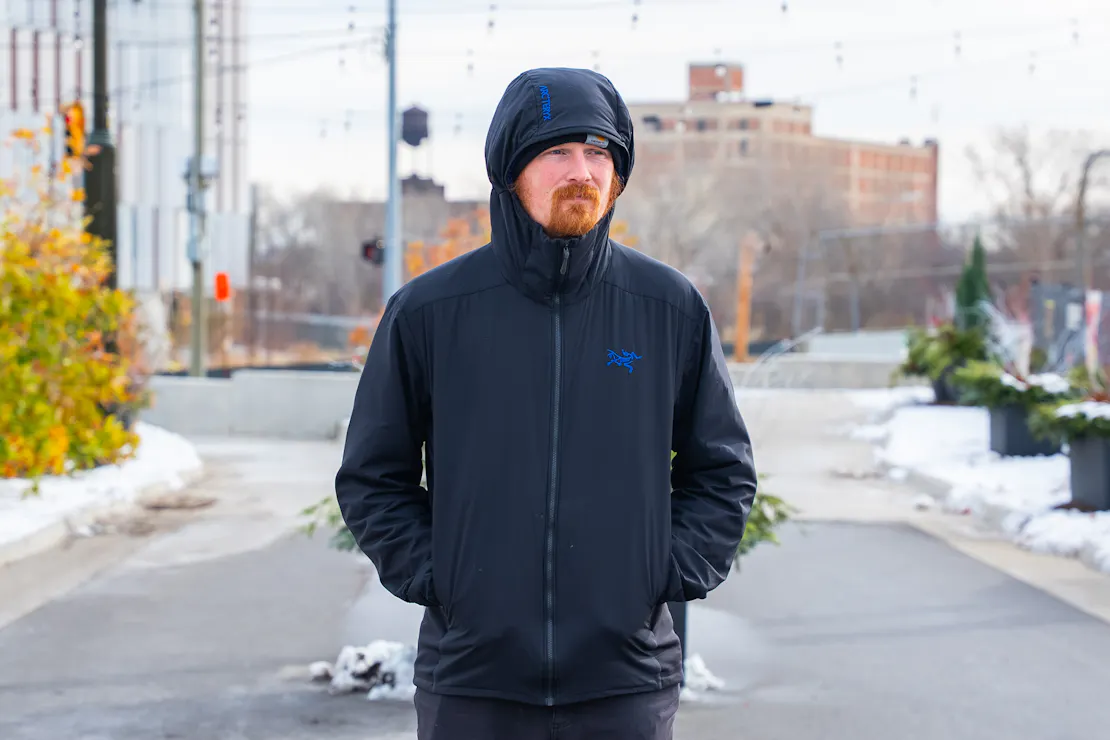
Arc'teryx Atom Hoody Review
Best Lightweight Jacket
Why We Like It:Comfortable, versatile, and surprisingly warm for how lightweight it is.
What To Know:Expensive, and the stretchy side panels aren't as water-resistant as the rest of the jacket.
The Arc'teryx Atom Hoody has a steep price tag, but there's a reason this jacket has such a solid reputation. It's lightweight, comfortable, and versatile enough to wear while traveling, commuting, or cycling. The Tyono 20D nylon shell feels durable without being bulky, and the Coreloft Compact insulation keeps you surprisingly warm for how thin it is. In testing, we found it works well down to around 40°F (4.44°C) with standard clothing underneath.
The Atom is also really comfortable. The stretchy side panels help with movement and ventilation, while the cuffs and hood keep things snug when the wind picks up. We've worn this jacket around a bonfire, on bike rides, and while traveling, and it has held up well. It can also be stuffed into its pocket, though we prefer to fold it into a packing cube. It's expensive, but after using it for a while, we can see why someone might think it's worth the money.
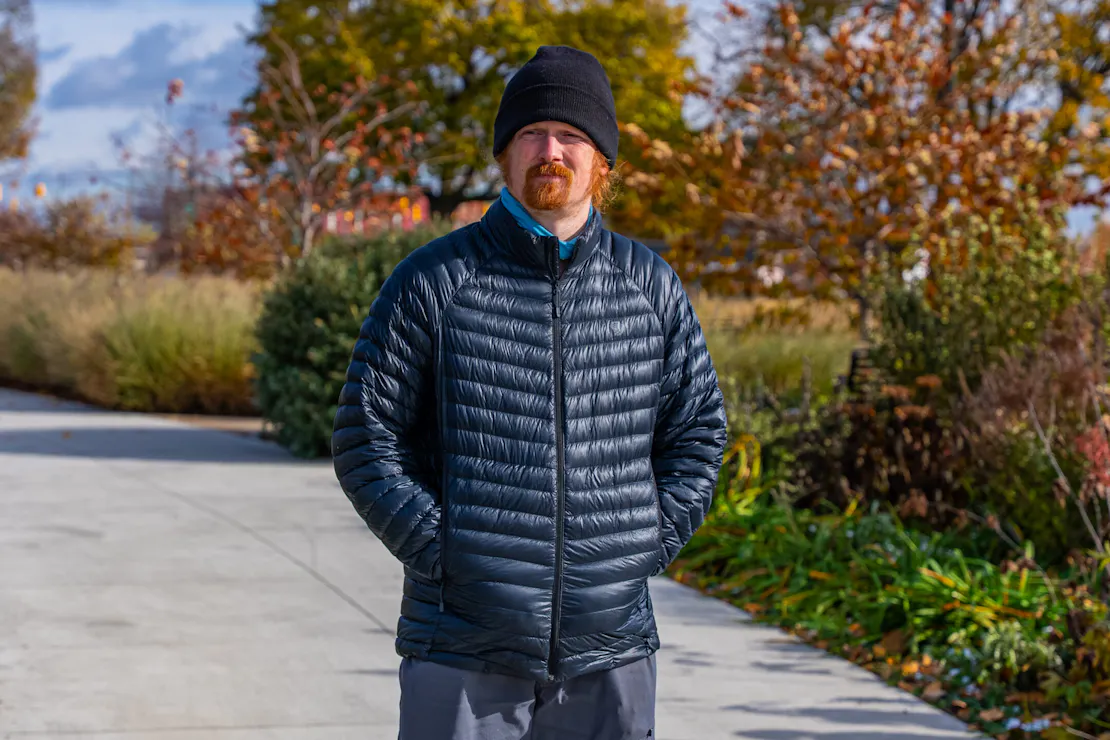
Mountain Hardwear Ghost Whisperer Jacket
Best Packable Puffer Jacket
Why We Like It:Extremely lightweight and packable while still providing plenty of warmth.
What To Know:The ultralight construction means it doesn't feel as substantial as some other puffer jackets.
If you want a warm jacket without adding much weight to your bag, the Mountain Hardwear Ghost Whisperer UL Hoody is worth a look. It weighs just 8.8 ounces (249.5 grams) and uses 800-fill-power RDS-certified goose down, so you get plenty of insulation without a ton of bulk. The shell is made from recycled 10D ripstop nylon with a DWR finish to help shed light moisture, too.
The jacket stuffs into its own hand pocket, complete with a carabiner loop, so you can clip it onto your bag when you aren't wearing it. There are two zippered hand pockets, an insulated hood, and a drawcord at the hem to help keep the warmth in. It's not the most feature-packed jacket around, but that's kind of the point. It's warm, lightweight, and easy to pack, which is exactly what we want from a travel jacket.
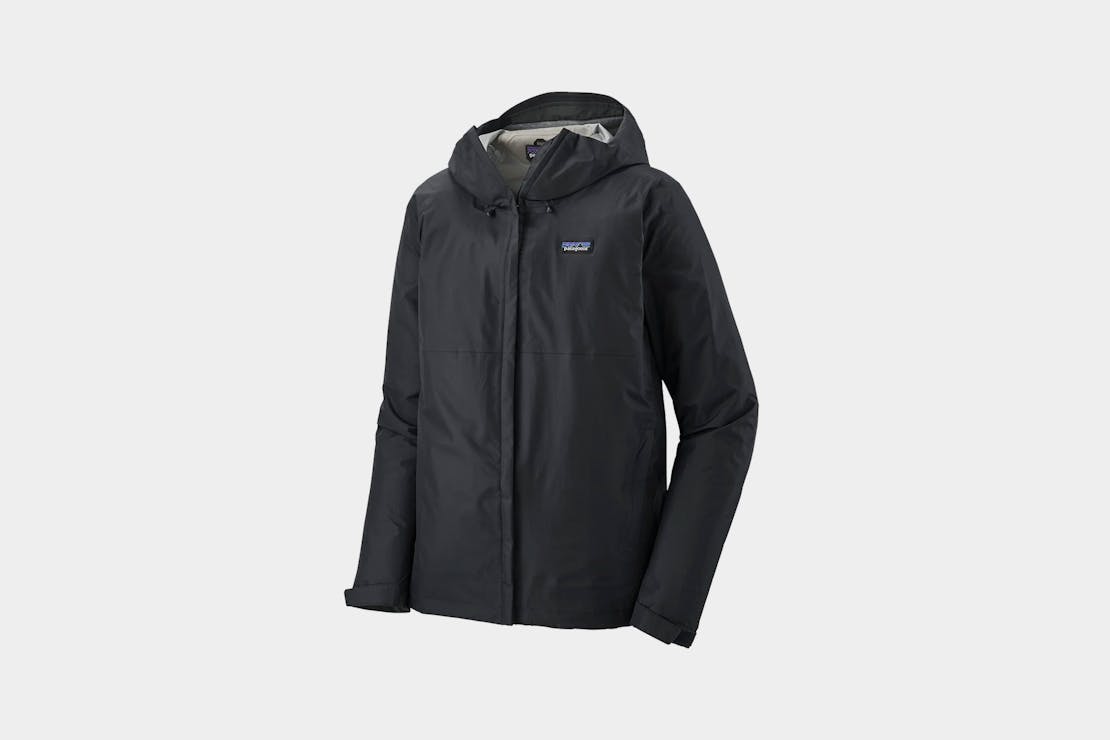
Patagonia Torrentshell 3L Jacket
Best Shell Jacket
Why We Like It:A durable, versatile rain shell that works just as well on the trail as it does around town.
What To Know:It's heavier and more expensive than some minimalist rain jackets.
The Patagonia Torrentshell 3L is a solid rain jacket for everything from backpacking to urban commuting. It uses Patagonia's 3-layer H2No Performance Standard construction to keep you protected from rain and wind, and the recycled ripstop nylon shell feels more substantial than some of the ultralight rain jackets we've used.
There are two zippered hand pockets, pit zips for ventilation, an adjustable hood, and hook-and-loop cuffs to help seal out the weather. When the rain stops, it stuffs into its own pocket and can clip onto your bag. At 14.1 ounces (399.7 grams), it's not the lightest option around, but that's a fair trade if you want something that feels durable and ready for actual outdoor use. It's not cheap by budget standards, but it's less expensive than some higher-end technical shells.
Best for: Relaxed Travelers
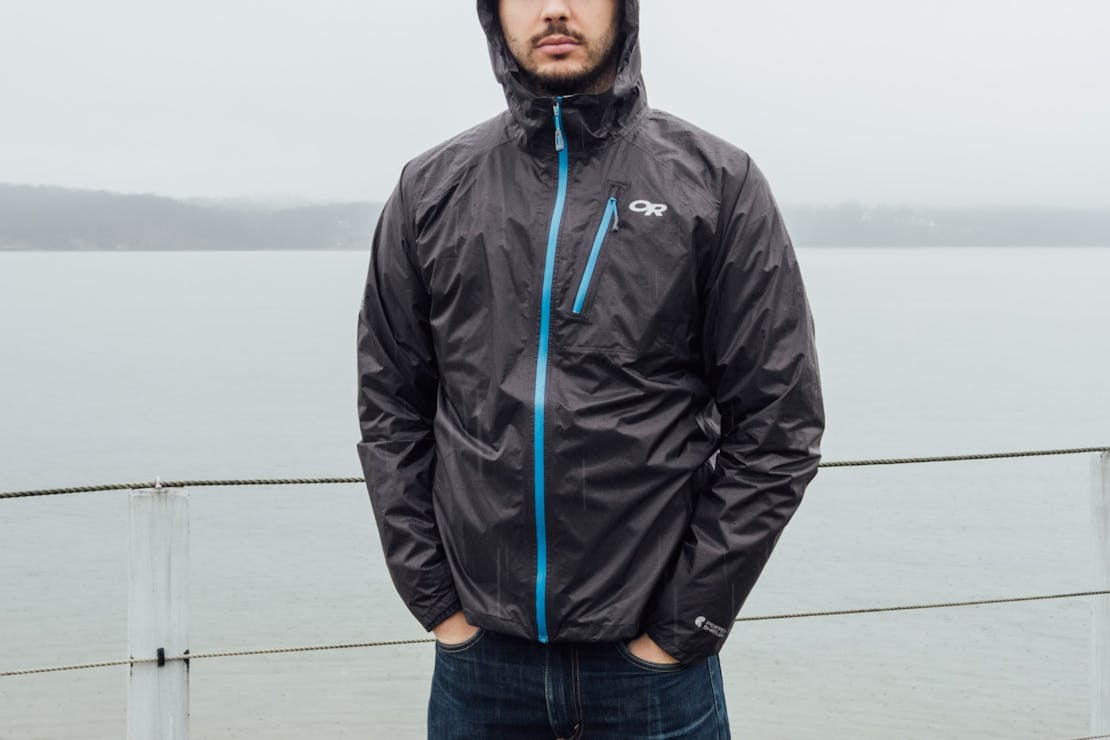
Outdoor Research Helium II Jacket
Best Packable Rain Jacket
Why We Like It:Extremely lightweight and packable while still providing solid protection from heavy rain.
What To Know:It only has one exterior zippered pocket, and the tiny zipper pull can be annoying to grab.
A rain jacket is one of those things you might not think about until you really need one. The Outdoor Research Helium Rain Jacket is a minimalist option that's easy to toss into your bag and forget about until the sky opens up. It weighs just 6.4 ounces (181.4 grams) for a men's large and packs down to about the size of a soda can, so it doesn't take up much room.
Despite the lightweight construction, it's fully waterproof, windproof, and breathable. We put that to the test in Thailand when a moped ride was interrupted by a sudden downpour. We quickly put on the jacket, and the adjustable hood stayed put once we got back on the road. It remained surprisingly breathable in the hot, humid weather, and the lightweight material didn't restrict movement. The only real downside is the pocket situation. There's just one exterior zippered pocket, so you'll have to be strategic about what you keep in it. Still, when you need a rain jacket you can keep in your bag and forget about until you need it, the Helium is a great option.
How to choose a travel jacket
There are many aspects of jackets to consider. First off (and arguably most importantly), you want a jacket that’s effective in keeping you warm. For that purpose, there are jackets with down or synthetic fill that have excellent insulation, parkas that protect you from the rain, and even windbreakers designed for milder weather.
Another aspect we like to consider is how many pockets a jacket has and where they’re placed. Apart from the standard hand pockets most jackets include, some have interior pockets big enough to store a warm bottle, while others will have a Napoleon-style chest pocket for a pair of sunglasses. If you’re going to be wearing another layer of clothing, you might as well take advantage of the extra storage it can afford you, so this is a key aspect we look for.
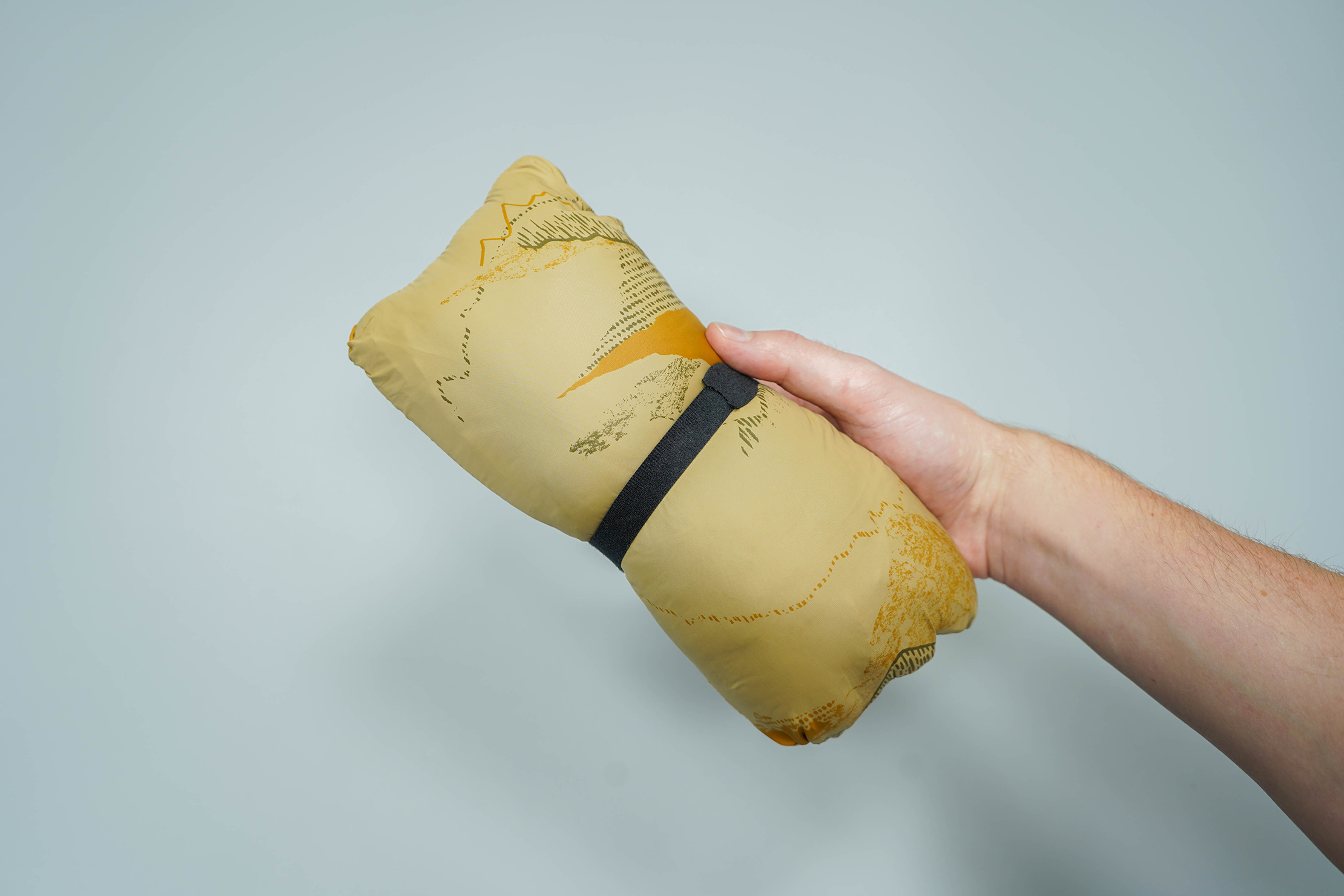
Of course, being travel-minded, we also factor in packability and fit when choosing a jacket. A jacket has to be easy to move in, whether that’s due to soft materials or good adjustment courtesy of drawstrings and elastics. That’s important if you’re going to be sitting in a tightly packed economy seat or walking down a crowded market—comfort and agility are key. Some brands even put a cherry on top by making their jackets packable so you can stow them away easily inside your bag; it’s a much more elegant solution compared to the awkward roll-and-fold technique some do in order to make their jackets fit.
Is synthetic or down fill better?
Synthetic and down fill are both popular insulation options but have key differences. Down is super warm for its weight and compresses easily, making it ideal for travel jackets. It’s great for dry conditions but loses its warmth when it gets wet, though water-repellant coatings like DWR can help with that. That said, down is typically made from duck or goose feathers, so it’s not an ideal choice if you’re an animal lover.
On the other hand, synthetic fill is made from man-made fibers that perform better in wet conditions since they still trap heat even when damp. It’s usually bulkier and heavier than down but is more affordable, easier to care for, and great for rainy or humid weather. Synthetic insulation doesn’t last as long as down, but it’s a solid choice for many outdoor activities.
What is a good fill for a jacket?
Common types of fill include down, synthetic, wool, fleece, cotton, and hybrid options. Down made from duck or goose feathers is lightweight and provides excellent warmth in dry conditions but loses effectiveness when wet. Synthetic fills, like PrimaLoft, are moisture-resistant and affordable but can be bulkier. Wool retains warmth but is less compressible when wet, while fleece is lightweight and breathable but less windproof. Cotton is soft but absorbs moisture, making it unsuitable for wet weather. Hybrid fills combine down and synthetic materials for a balance of warmth and moisture resistance.
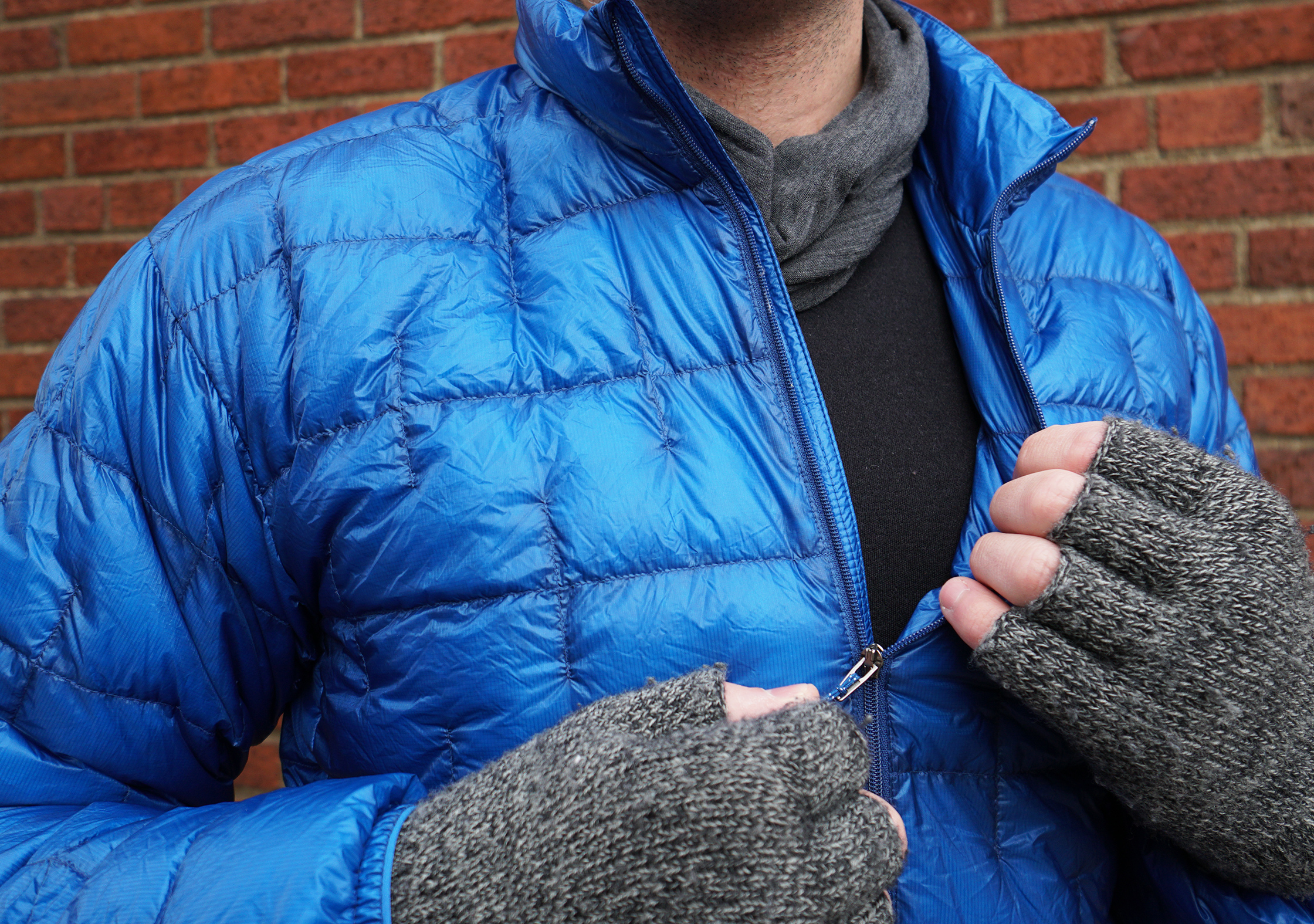
With all of that in mind, if you’re looking to simply stay warm while traveling but not necessarily doing anything outdoors, then you may not need the quick-drying benefits of synthetic fills, and down or cotton fill jackets are suitable. However, if you’re going on adventures while snow is falling, you may want to opt for synthetic fill just in case you get soaked.
What is the most packable down jacket?
In our experience, Patagonia’s Nano Puff and Micro Puff jackets are the most compressible while also delivering excellent insulation. Both stuff into their own pockets, so there’s no separate pouch to mess around with to keep them compressed, and they’re relatively easy to pack. That said, they have their limitations as well, so check out our full reviews for a detailed breakdown of how each jacket performs in different weather and temperature conditions.
Are packable jackets worth it?
Jackets are some of the bulkiest gear you can bring. Yes, while you can technically wear them to sidestep this caveat, what about those situations where it’s already warm? For example, plane cabins can get either too hot or too cold, and the former is a situation where we wish we could stuff our jacket back into our bag. It’s also more efficient to have a piece of clothing that delivers an excellent warmth-to-weight ratio, thus allowing you to bring more gear or save a few bucks in luggage fees.
Storing a packable jacket
With all the benefits of a packable jacket in mind, it’s worth noting that proper maintenance is still a must. In their case, packable jackets generally benefit from being uncompressed and letting the fill relax and puff out. Leaving it compressed can mess with the material’s ability to insulate, so we recommend leaving the jacket hung up at home when you’re not traveling.
Why You Should Trust Us
Being headquartered in Detroit, the Pack Hacker crew is no stranger to cold weather. Jackets of all types are part of our everyday lives for most of the year, alongside hand warmers, cups of hot coffee, and the grit to make sure we’re taking notes while it’s biting cold outside. We’ve tested over a hundred jackets from top brands, such as Patagonia, The North Face, Arc’teryx, and Columbia. We’ve even tested budget outwear from Amazon. Along the way, we’ve come to appreciate key features and how they’re designed, such as a good fill, how many pockets there are, and where they’re located. Even tiny details like the seal around the cuffs and if there’s any discomfort stemming from the liner fabric don’t escape our watchful eye—when you’ve lived long enough in a chilly city, you start to notice these things.
How We Tested It
While there are many aspects to a jacket worth checking out, we’ve boiled it down to three key performance features. These are by no means the be-all and end-all of all travel jackets. However, in our experience, they are what we think matters the most.
Insulation and waterproofing: Jackets add an extra layer of protection between you and the elements. That said, what you’re protecting against also matters. After all, protecting yourself from cold temps and rain are two different beasts, and some travel jackets may not offer both. With that in mind, we’ve tested each jacket to ensure it keeps you warm, dry, or (ideally) both.
Pockets and layout: Some jackets afford you extra pockets on top of extra protection. That means you can carry more everyday carry gear without expanding the size of a sling or daypack to hold gloves and a hat, or you can simply have existing gear within easier reach. Some offer Napoleon-style chest pockets, typical hand pockets, or deck out the interior liner with plenty of pockets, open and zippered alike. There’s possibly an infinite number of combos brands can go for, and we take note.

Adjustment and fit: As much as we’d like for a one-size-fits-all jacket, that’s understandably hard to achieve. As such, brands often employ a number of tricks to make their jackets fit more comfortably. These range from using comfy fleece liners and materials to using elastics and drawstrings for a better seal around the hem, cuffs, and neck areas. We ensure each jacket is comfortable to wear all day because you never know where your adventures take you.
Packability: When you’re traveling, you’ll want to wear clothing that’s easy to move in and can fit in your bag—the same is true for jackets. Some jackets are thin and light enough that you wouldn’t mind keeping them on once you’re inside, say, a plane, while others can pack into themselves. The latter is one of our favorite features, so we make sure to point it out if a jacket has it.
So there you have it, 12 travel jackets for nearly any trip. Whether you’re heading to Scandinavia, aren’t sure the weather will cooperate with your trip, or just want to stay warm—these travel jackets will ensure you are comfortable no matter where the journey takes you.
If you need more travel jacket ideas, go check out this video!