Topo Designs Klettersack Review
The Topo Designs Klettersack delivers bold style and solid capacity, but limited comfort and slower access make it best for lighter loads and shorter carries.
Our Verdict
Save time. Get access to brief summaries of our reviews so you can browse and make decisions more efficiently.
Pros
- It has Topo Designs' iconic aesthetic with durable materials and a high-visibility interior
- Solid capacity for everyday carry and overnight trips
- The simple layout is easy to understand and pack
Cons
- Carry comfort is lacking, especially with heavier loads
- Top-loading access can feel slow and restrictive
- Water bottle pockets struggle with wider bottles when packed out
Technical Details
-
Capacity
25l
-
Weight (lb)
0.875 lb (0.4 kg)
-
Denier
1000D
-
Dimensions
20 in x 12 in x 5 in (50.8 x 30.5 x 12.7 cm)
-
Notable Materials
CORDURA®, Nylon, Packcloth, Leather
-
Manufacturing Country
United States
-
Laptop Compartment Size
15"
-
Warranty Information
Full Review
Get up to 15% off Topo Designs • Join Pack Hacker Pro
The Topo Designs Klettersack is one of those travel backpacks you recognize immediately—even from across a crowded terminal or a packed coffee shop. With bold colors, chunky hardware, and a distinctly outdoorsy vibe, it leans hard into Topo Designs’ heritage. We’ve been testing the Klettersack for a couple of weeks across everyday carry, light travel, and overnight use to see whether the brand backs up its iconic look with real-world functionality. This bag clearly prioritizes style and simplicity, but as always, we wanted to find out how well that translates into comfort, organization, and usability.
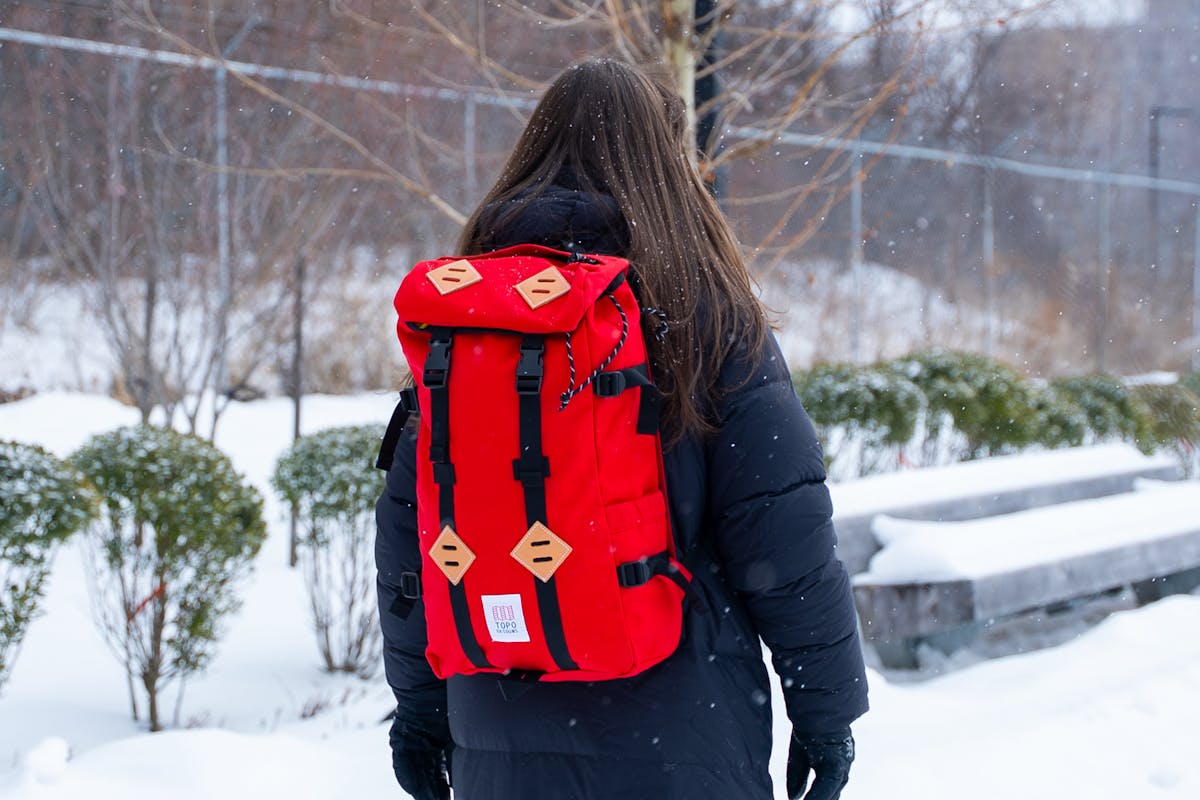
At its core, the Klettersack is a classic top-loading backpack, with a drawstring closure and a flap secured by buckles. That design choice sets expectations right away: access is slower than a clamshell, and organization is intentionally minimal. For some travelers and commuters, that’s part of the appeal. For others, it may be a dealbreaker. After living with it day to day, we’ve found that the Klettersack does a lot of things well, yet noticeably struggles in a few areas, especially when it comes to carry comfort.
External Components
Topo Designs sticks closely to its roots with the exterior of the Klettersack, and there’s very little here that feels accidental. The 1000D recycled nylon fabric and leather accents feel robust and abrasion-resistant, with stitching and reinforcement in high-wear areas that inspire confidence. Beefy YKK zippers are used throughout, paired with thick paracord zipper pulls that are easy to grab, even with gloves on. Everything about the exterior feels purpose-built and durable, leaning more toward outdoor utility than sleek urban minimalism.
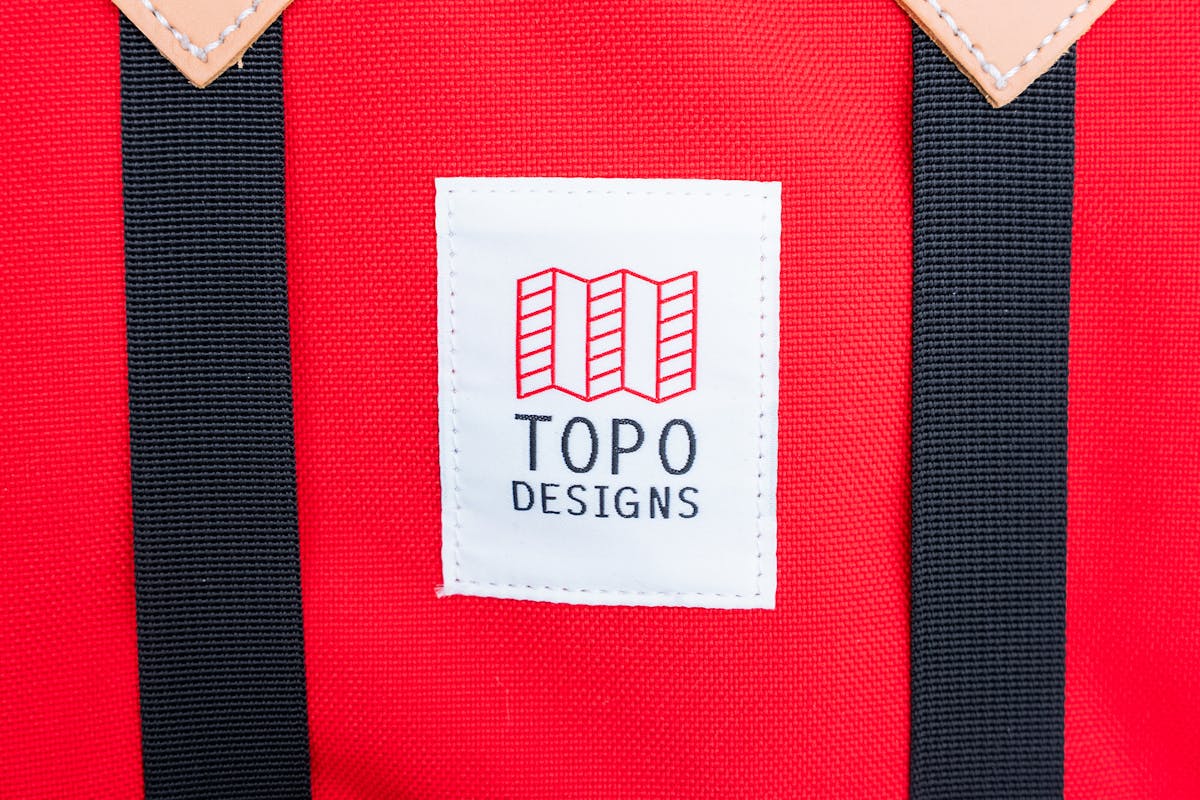
Front and center is the large Topo Designs logo, which immediately signals the brand’s identity. This is not a subtle bag, and it doesn’t try to be. That’s a plus for users who enjoy expressive gear, but it may be a hard pass for those who prefer something more understated. The front panel also includes pig-nose-style lash points at both the top and bottom, which open up a surprising number of attachment options. You can hang shoes, clip on accessories, or rig up extra gear using carabiners or paracord. While we don’t personally dangle much gear off our bags, it’s nice to see these options baked in rather than treated as an afterthought.
Along the sides, the Klettersack features water bottle pockets paired with compression straps. The straps do a good job of stabilizing the load and keeping items snug against the body, especially when the bag isn’t fully packed out. However, this system can introduce friction when it comes to usability. If the straps are cinched down tightly, accessing the water bottle pockets becomes more difficult, often requiring you to loosen the straps just to slide a bottle in or out. It’s not a dealbreaker, but it does add an extra step that can get old if you’re frequently hydrating on the go.
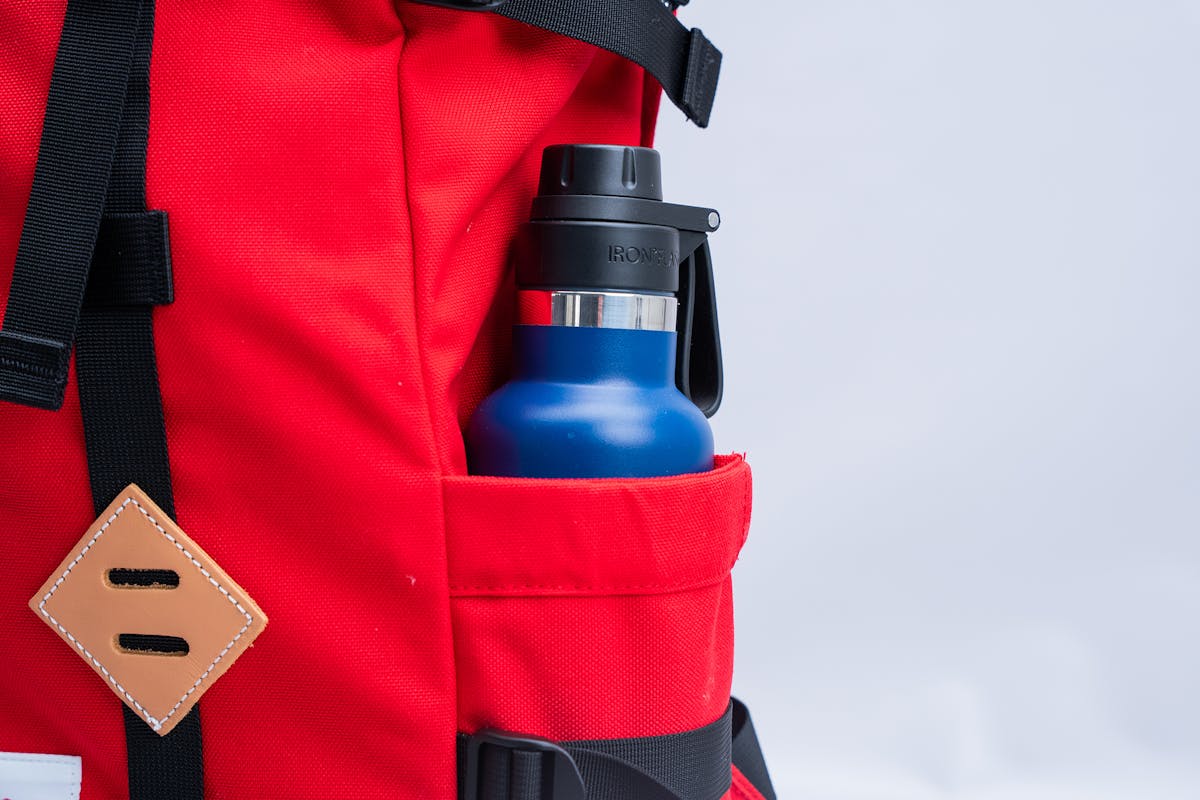
Bottle fit is another consideration. Slim bottles fit comfortably, but wider one-liter bottles were a tight squeeze during our testing, especially once we loaded the main compartment. Because the interior contents press directly against the bottle pockets, inserting a bottle often requires shifting or shaking gear inside the bag to make space. This isn’t unique to the Klettersack, but it’s more noticeable here due to the bag’s relatively unstructured sides.
The harness system is where the Klettersack struggles the most. The shoulder straps are thick and wide, which initially suggests comfort, but the padding is surprisingly minimal. The straps maintain a fairly uniform width throughout, and that shape causes them to press into your neck during wear. There’s no sternum strap included, though Topo Designs does sell one as a separate accessory that attaches via a sliding rail system. Even with that option, the underlying strap design limits the level of comfort that you can realistically achieve.
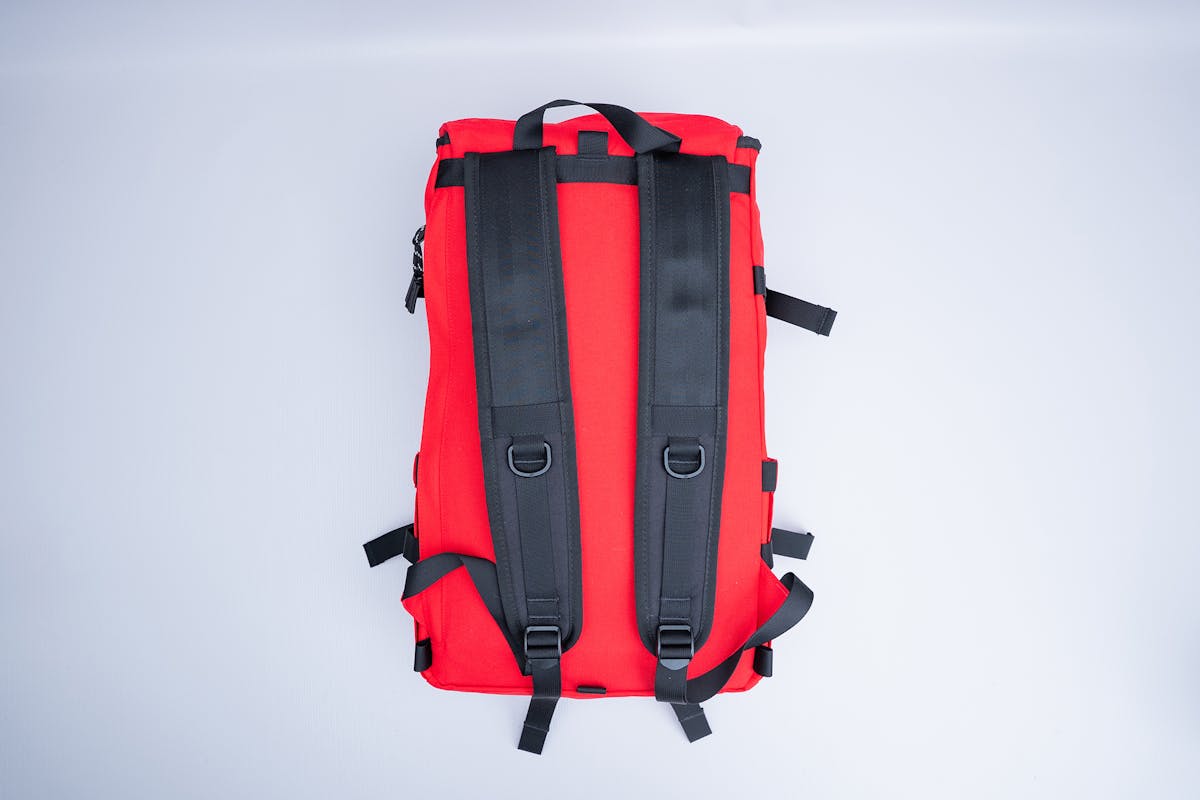
There’s also no mesh padding or ventilation on the back panel, which makes the Klettersack less breathable than many other backpacks. In warmer conditions, this becomes noticeable quickly. While the bag looks great on the body and maintains a clean silhouette, the lack of ergonomic refinement in the harness system significantly impacts long-term comfort, especially with heavier loads.
Fit Notes
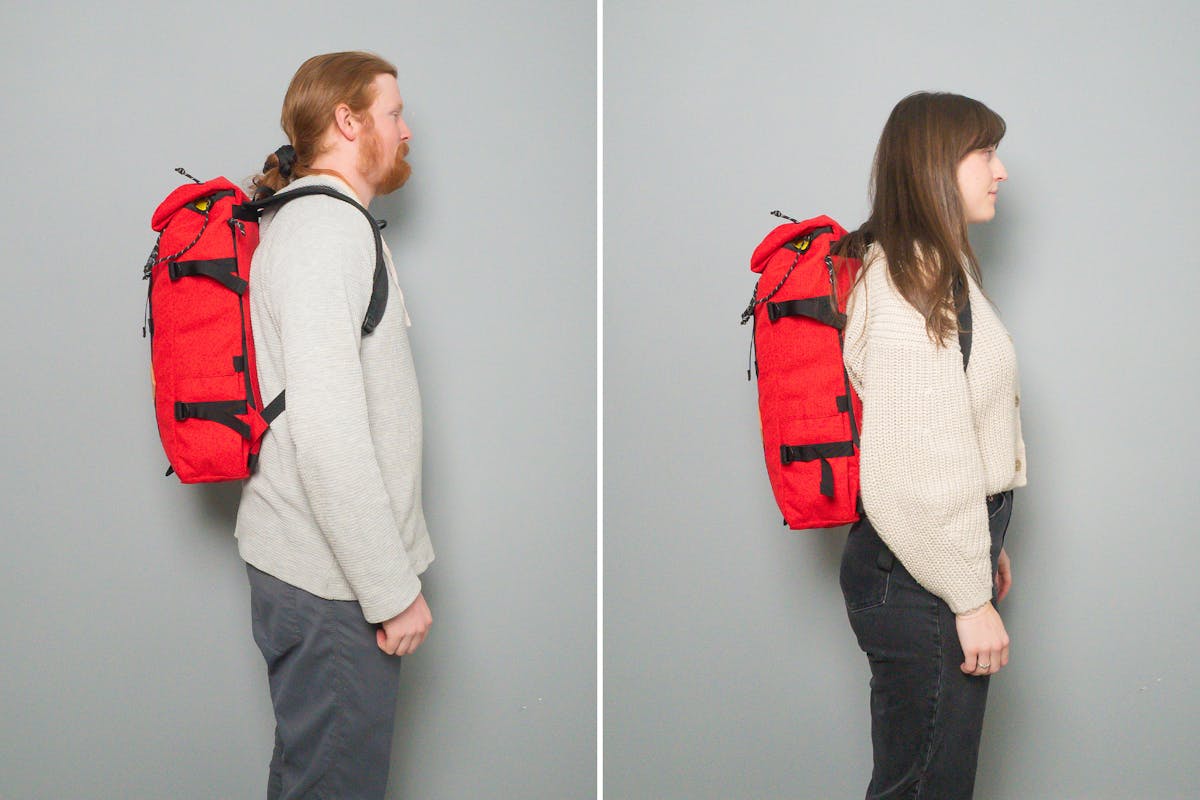
When worn, the Klettersack maintains a slim, structured profile that we genuinely appreciate. Even when packed out, it resists bulging and keeps its shape well, which helps it look intentional rather than overloaded. The materials provide enough structure to keep the bag from collapsing into itself, while still allowing some flexibility depending on how it’s packed.
Finding a comfortable fit, however, proved challenging. Tightening the shoulder straps to pull the bag closer to the body caused increased pressure around the neck, while loosening them reduced that discomfort but introduced sag and backward pull. It felt like we were constantly compromising between stability and comfort. Body type will play a major role here, but for us, the harness system never fully disappeared on the body in the way we want a backpack to.

This is very much a bag we’d recommend trying on before purchasing. Comfort is subjective, but the Klettersack’s strap shape and padding limitations are likely to be polarizing. For lighter loads and shorter carry sessions, it’s serviceable. For heavier setups or all-day wear, the discomfort becomes harder to ignore.
Inside The Backpack
Access to the main compartment follows a traditional top-loading flow. To get inside, you’ll need to undo two buckles on the flap and then loosen the drawstring closure. This two-step access method works as intended, but it’s undeniably slower than zippered alternatives. Over time, we found ourselves occasionally leaving the drawstring tucked in and relying on the flap alone for quicker access, which still felt secure enough for everyday use.

Once inside, the bright yellow liner immediately stands out. We’re big fans of high-visibility interiors, especially in top loaders where items can easily disappear into the depths of the bag. The contrast makes it significantly easier to spot gear, even when the bag is fully packed with darker items, like packing cubes or tech pouches. This single design choice goes a long way toward improving usability.
In terms of capacity, the Klettersack performs better than its streamlined exterior might suggest. We were able to fit a week’s worth of clothing inside using packing cubes, along with a fairly large tech pouch. That makes it viable for overnight trips, minimalist travel, and everyday carry. As with most top loaders, packing order matters, and you’ll want to think through what you’ll need access to throughout the day.
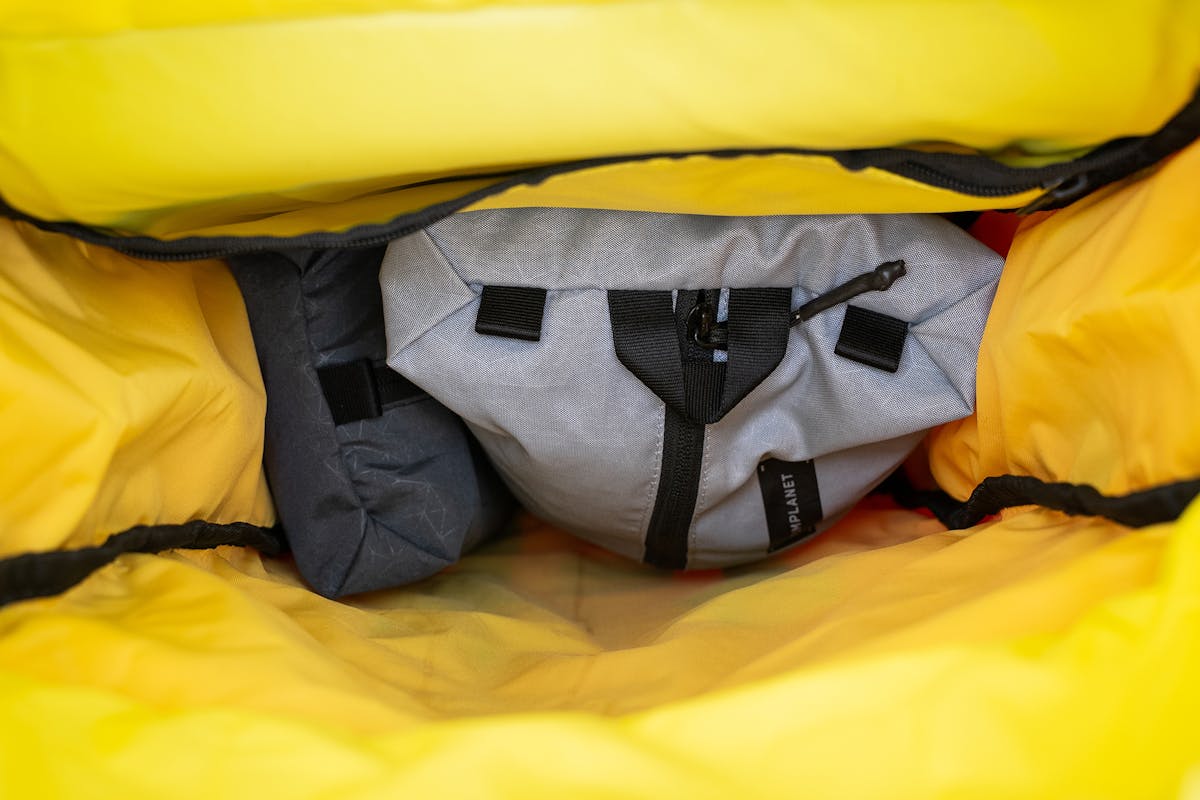
The internal laptop sleeve is designed to fit devices up to 16 inches and includes a false bottom for drop protection. Our 16-inch MacBook Pro fit comfortably, with room to spare, which was reassuring. However, accessing this sleeve requires reaching down into the main compartment, which can be awkward if the bag is packed high. There’s also a zippered pocket on the front of this sleeve meant for flat items like documents or a tablet. While useful in theory, we found it difficult to access consistently and often left it empty.
On the exterior, there’s an additional laptop sleeve against the back panel. This sleeve works best with smaller laptops—13-inch models slid in and out easily—but larger devices were harder to manage. Padding here is minimal, offering basic protection without much cushioning. A top zippered pocket serves as a dump pocket for small essentials like a phone, wallet, and keys. It includes a short key leash, but no additional organization, and it fills up quickly.
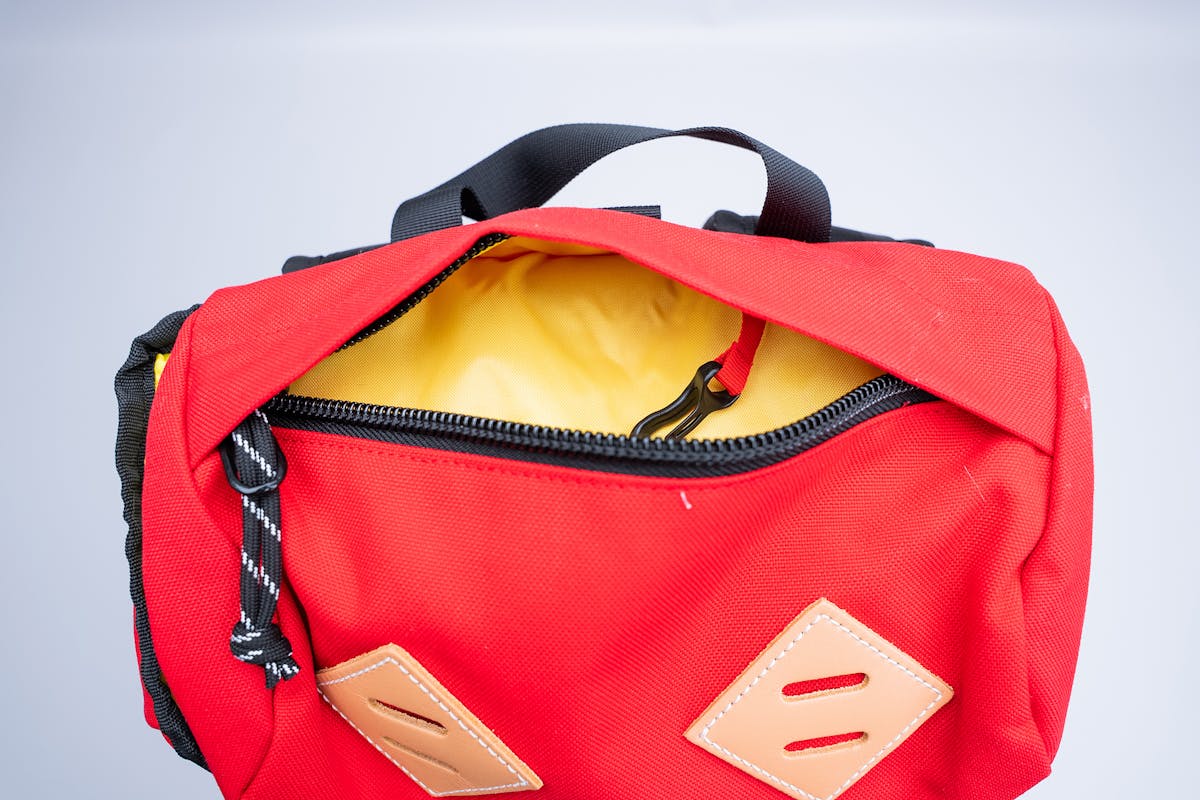
Overall, the Topo Designs Klettersack balances strong visual identity and practical capacity with notable comfort and access trade-offs, making it best suited for lighter loads and users who prioritize style over carry refinement.
Usage Timeline
Condition: Excellent
- No loose threads or damage to be found on the pack
- Bright interior makes visibility great





Get your questions about the Topo Designs Klettersack answered from our team and the Pro Community right here on the page. Plus, join discussions with other members about gear, guides, and more.
Join Pack Hacker Pro or, Sign In